- Integrated Planning
Integrated Planning
Integrated planning is a sustainable approach to planning that builds relationships, aligns the organization, and emphasizes preparedness for change.
- Topics
Topics
- Resources
Resources
Featured Formats
Popular Topics
- Events & Programs
Events & Programs
Upcoming Events
- Community
Community
The SCUP community opens a whole world of integrated planning resources, connections, and expertise.


- Integrated Planning
Integrated Planning
Integrated planning is a sustainable approach to planning that builds relationships, aligns the organization, and emphasizes preparedness for change.
- Topics
Topics
- Resources
Resources
Featured Formats
Popular Topics
- Events & Programs
Events & Programs
Upcoming Events
- Community
Community
The SCUP community opens a whole world of integrated planning resources, connections, and expertise.
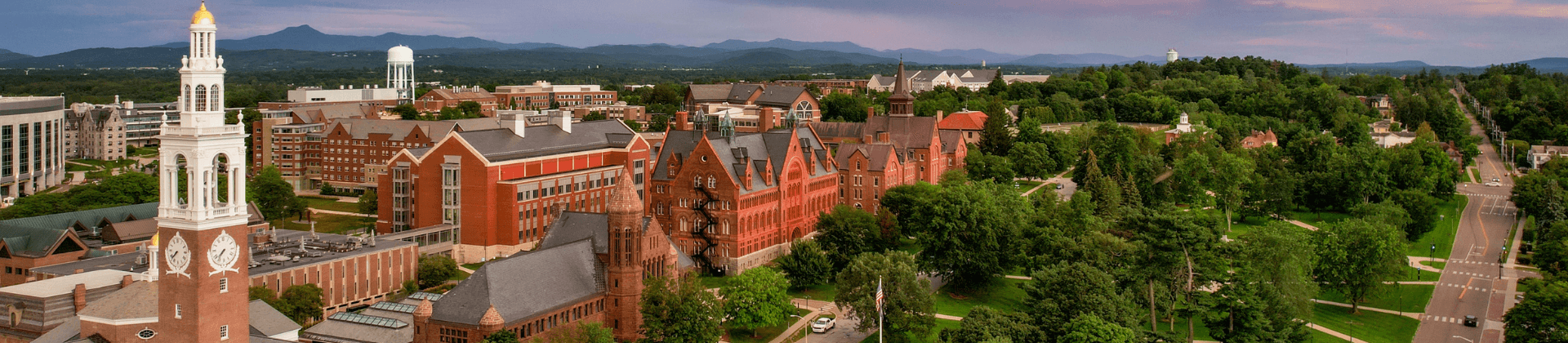
Symposium
Symposium | The Changing Nature of the Campus: Embracing the Needs of Today and Tomorrow
November 6, 2023University of Vermont, Burlington, VT- Event Home
- Program
- Registration
Join us as we focus on how the University of Vermont (UVM)’s 2022-2032 campus plan and its five key ideas will guide the university through the next 10 years around issues of today and tomorrow.
UVM’s 2022-2032 Campus Plan represents a new era in planning for UVM. An update of the 2006 Campus Master Plan represented the start of a period of planned growth for the university. The new campus plan utilizes the guiding principles of the 2006 document while addressing the evolving needs of a dynamic, comprehensive research university.
The new campus plan contemplates how to utilize what UVM already has in a more efficient, innovative manner while addressing the needs and desires of the 21st century student and the realities of a changing planet.
5 Key Ideas Guiding the University’s Campus Plan:
- Cultivate connections to sustainability and healthy living
- Determine future plans for former single-family residences
- Enhance and Improve Space on Campus
- Create vibrant outdoor spaces and connective mobility corridors
- Prioritize safety, diversity, and accessibility on campus
UVM welcomes you to their beautiful campus in Burlington, nestled between Lake Champlain and the Green Mountains.
The symposium will take place at UVM in the Davis Center on the 4th floor.
590 Main St
Burlington, VT 05401Check out Hello Burlington for ideas on nearby hotels, restaurants and activities.
 CFO/COOAAM 15
 Associate Planner, Planning, Design & ConstructionUniversity of Vermont
 PrincipalKrebs & Lansing Consulting Engineers, Inc.
 Director of SustainabilityUniversity of Vermont
 Vice Provost for Student AffairsUniversity of Vermont
 Vice Provost for Enrollment ManagementUniversity of Vermont
 Associate Planner, Planning Design & ConstructionUniversity of Vermont
 State Historic Preservation OfficerVermont Division for Historic Prevention
 Director of Student LifeUniversity of Vermont
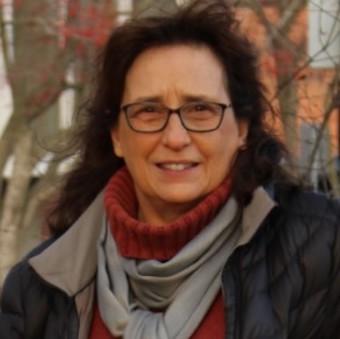 Executive Director of Facilities ManagementUniversity of Vermont
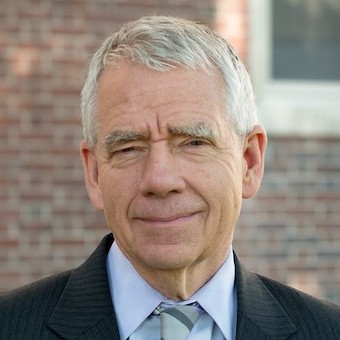 Vice President for Finance and AdministrationUniversity of Vermont
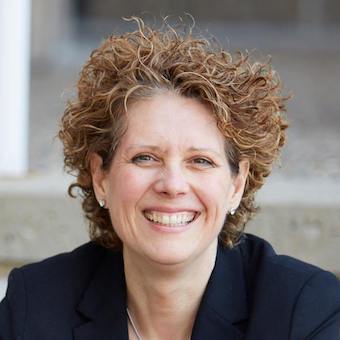 Director of Compliance Services and Chief Privacy OfficerUniversity of Vermont
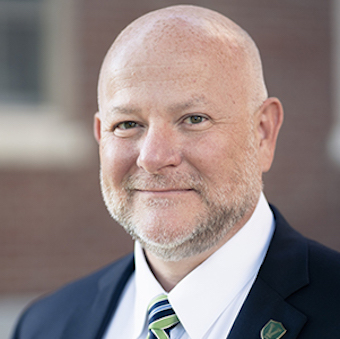 Vice President for Legal Affairs & General CounselUniversity of Vermont
North Atlantic Symposium Sponsors
Gain visibility and be part of this event!
Want to become a Contributing Sponsor for this event? Contact KenDra McIntosh at 734.669.3283 or kendra.mcintosh@scup.org to find out how!Contributing Sponsors





Program
The symposium will take place at UVM in the Davis Center on the 4th floor.
590 Main St
Burlington, VT 05401Check out Hello Burlington for ideas on nearby hotels, restaurants and activities.
SHOW: All Sessions Workshops ToursMonday, November 6, 20238:00 am–9:00 amBreakfast8:30 am–9:00 amWelcome9:00 am–10:00 amSession 1Improving the Campus through Comprehensive and Sustainability Planning
Presented by: Luce Hillman, Executive Director, University of Vermont Facilities Management | Elizabeth Palchak, Director, University of Vermont Office of Sustainability | Claire Forbes, Associate Planner, University of Vermont Planning, Design & Construction
The University of Vermont (UVM) has recently made significant advancements in two vital and interconnected plans: the updated Campus Plan to guide overall land use and building management and the inaugural Comprehensive Sustainability Plan (CSP) to achieve carbon neutrality by 2030. In this session, we’ll delve into how these plans emphasize efficient and effective use of existing infrastructure and development of new residential housing with a dedicated focus on decarbonization across planning, research, and operations. Join us to explore how UVM’s planning process has facilitated a dramatic shift in long-range planning while upholding a steadfast commitment to sustainability.
Learning Outcomes:
- Recognize effective techniques for fostering agreement among an institution’s diverse stakeholders to advance campus planning and decarbonization.
- Discuss how to collaborate with sustainability experts to devise a roadmap towards achieving campuswide carbon neutrality in facilities and infrastructure.
- Examine influential factors such as climate change, evolving demographics, and financial constraints that influence physical campus planning priorities.
- Enhance campus equity, diversity, and sustainability by considering a range of social, economic, and environmental viewpoints.
AIA LU/HSW 1.0 Unit (SCUPN23M201)
AICP CM 1.0 Unit10:00 am–11:00 amSession 2Planning for Future Students: The Supreme Court Decision on Affirmative Action
Presented by: Trent Klingerman, Vice President & General Counsel, University of Vermont | Lani Ravin, Associate Planner, Planning, Design & Construction, University of Vermont
The recent Supreme Court decision, Students for Fair Admissions, Inc. v. Harvard College and University of North Carolina, has upended the college and university admissions process in the US. The more recent Questions and Answers Regarding the Supreme Court’s Decision in Students for a Fair Admissions, Inc. v. Harvard College and University of North Carolina aims to shed light on the new admissions landscape. We’ll review both documents with the aim of understanding what they do and don’t say, as well as discuss how to attain diversity in the admissions process while staying within the mainstream interpretation of the law.
Learning Outcomes:
- Distinguish what the Supreme Court decision actually says and does not say, identify any loopholes or inconsistencies, and explain its effects beyond the admissions process.
- Analyze the recent question and answers document and determine whether there may be circumstances that it does not cover.
- Identify the diversity, equity, and inclusion (DEI) objectives that are most important to your institution and examine how they might change in this new legal landscape.
- Discuss how to apply your understanding of these documents to create a modified admissions process as well as other institutional policies that both conform with the new legal precedent and achieve your institutional goals.
AICP CM 1.0 Unit
AICP L 1.0 Unit11:00 am–11:15 amBreak11:15 am–12:15 pmConcurrent SessionsMeeting Housing Demand: Supporting the Campus Community in a Competitive Market
Presented by: Richard Cate, Vice President, Finance & Administration, University of Vermont | Tony Librot, AAM15
The ongoing nation-wide housing crisis presents a significant obstacle to University of Vermont (UVM) students who desire off-campus accommodation. The housing shortage has led to rising rents and property costs, affecting not only upper-class and graduate students, but also faculty and staff. While a proposal to rezone part of the campus for housing has stalled, UVM has partnered with two private developers to build over 1,000 beds of housing in two South Burlington projects. This session will discuss Vermont’s housing crisis and how UVM developed partnerships that moved housing projects forward while maintaining affordability for UVM community members.
Learning Outcomes:
- Analyze historical vacancy rate data to identify the underlying causes of the current housing crisis in Burlington and around the region.
- Discuss how to collaborate effectively with local municipalities to address university housing needs while aligning with municipal goals.
- Examine different public-private partnership models and explore how an institution can leverage its equity to support projects and mitigate costs for its affiliates.
- Explore innovative strategies and best practices for sustainable and inclusive housing development that can serve as a blueprint for addressing housing challenges in other college towns.
AIA LU 1.0 Unit (SCUPN23M202)
AICP CM 1.0 UnitBalancing Tradition and Progress: Solutions for Historic Campus Buildings
Presented by: Luce Hillman, Executive Director, Facilities Management, University of Vermont | Laura Trieschman, State Historic Preservation Officer, State of Vermont Division for Historic Preservation
As stewards of rich collections of historic architecture, universities have the duty to preserve historic treasures while simultaneously fulfilling institutional requirements. The University of Vermont (UVM) has 45 contributing buildings listed in the National Register of Historic Places and collaborates with the Vermont Division for Historic Preservation to responsibly maintain these historic assets. This session will provide insights regarding state historic preservation priorities and their application to active, living buildings as well as UVM’s best practices in the management, maintenance, restoration, and adaptive use of its historic structures.
Learning Outcomes:
- Analyze case studies and instances of accomplished historic building preservation efforts.
- Engage in conversations around approaches to fostering agreement and enhancing relationships between regulatory bodies and facility staff to develop effective solutions for historic assets within a changing campus environment.
- Advocate for responsibly managing and conserving historic physical campus resources.
- Discuss methods for incorporating historic preservation principles into the broader framework of campus planning.
AIA LU 1.0 Unit (SCUPN23M203)
AICP CM 1.0 UnitDeveloping a Sustainable Campus Under Stormwater Regulation
Presented by: Lani Ravin, Associate Planner, Planning, Design & Construction, University of Vermont
The University of Vermont (UVM) campus functions within the rigorous landscape of state and city-level stormwater regulation. How is UVM able to continue to build new facilities and develop its campus under state standards dictating that runoff from new development must mimic runoff from a natural meadow or forest? In this session, we’ll share a variety of potential solutions as well as current UVM research regarding stormwater management practices. Come learn how UVM has integrated compliance with rigorous stormwater management standards while beautifying the campus, creating a sustainable campus and teaching environment.
Learning Outcomes:
- Explain how the State of Vermont interprets the federal rules and regulations regarding stormwater runoff.
- Analyze UVM’s solutions for enabling campus development while conforming with a rigorous regulatory environment to determine if they’re sustainable and meet institutional objectives.
- Identify additional solutions, options, and opportunities in regards to campus design challenges around stormwater management.
- Discuss how to apply stormwater solutions to your campus development issues.
AIA LU 1.0 Unit (SCUPN23M204)
AICP CM 1.0 Unit12:15 pm–1:15 pmLunch1:15 pm–2:45 pmToursChange of Heart: Revitalization of a 1950s Building Once Destined for Demolition
Guided by: Dave Blatchly, Associate Director, PDC, University of Vermont | Kate Coffey, Construction Project Coordinator/Architect, Planning, Design & Construction, University of Vermont
The University of Vermont (UVM) worked with its partners in design and historic preservation to take a 1950s-era science building, a candidate for demolition that served primarily as an overflow space, and transformed it into a facility with state-of-the-art labs, classrooms, and meeting spaces. UVM installed all new windows and mechanical equipment to increase energy efficiency and meet historic guidelines. Join us on this tour to discover how we revitalized this building by preserving its history while updating it to serve the educational needs of today’s students.
Sustainable UVM: Transportation, Green Construction, and Energy Efficiency
Guided by: Abby Bleything, Sustainable Transportation Program Manager | Office of Sustainability, University of Vermont | Elizabeth Palchak, Director, Office of Sustainability, University of Vermont
The University of Vermont (UVM) has put sustainability at the forefront of planning, design, and construction of its campus. The integration of these practices has developed over many years to result in the Campus Plan and Comprehensive Sustainability Plan that clearly define goals and a vision for a carbon neutral university. During this tour, you will explore and learn about pedestrian and bike-oriented design practices, LEED and net-zero facilities that incorporate innovative building techniques and materials, sustainable transportation programs, energy efficiency projects, electric charging facilities, and more.
Learning Outcomes:
- Describe the process of creating governing documents that drive sustainability on campus.
- Assess various designs and policies that impact travel mode-choice.
- Discuss sustainability innovations and practices that you can adopt on your campus.
- Identify further strategies that you could explore on your campus to improve the built environment and governing structures.
AICP CM 1.0 Unit
Historic Preservation at UVM: Balancing Tradition With Vibrancy & Sustainability
Guided by: Luce Hillman, Executive Director, Facilities Management, University of Vermont | Laura Trieschmann, State Historic Preservation Officer, Vermont Division for Historic Preservation
On this tour, you’ll take a walk through the University of Vermont’s (UVM) historically significant buildings that the university has rehabilitated and reimagined to continue their useful lives while providing comfortable and energy-efficient environments for the campus community. We will experience campus buildings in a variety of architectural styles, from Richardsonian Romanesque to Mid-Century Modern, all of which meet today’s sustainable standards.
How It All Fits Together: Landscape, Architecture, & Stormwater Infrastructure
Guided by: Adam Frazier, Deferred Maintenance Project Coordinator, University of Vermont | Lani Ravin, Associate Planner, Planning, Design & Construction
This tour will illustrate how to incorporate required stormwater infrastructure into a campus landscape that provides a pleasing experience for the campus community alongside opportunities for research and learning. We’ll explore a wide variety of campus icons and infrastructure, including a pocket arboretum, a whimsical structure nicknamed “The Flying Diaper”, topographical interventions to improve neighbor relations, as well as a stormwater pond that doubles as a residential amenity, complete with a solar-lit pathway.
2:45 pm–3:00 pmBreak3:00 pm–4:00 pmSession 3How to Keep Your Campus Relevant, Welcoming, and Safe Post-pandemic
Presented by: Erica Caloeiro, Vice Provost for Student Affairs, University of Vermont | Lina Balcom, Director of Student Life, University of Vermont | Francis Churchill, Director of Environmental Health and Safety, University of Vermont | Tessa Lucey, Director of Compliance Services and Chief Privacy Officer, University of Vermont | John Marcus, Emergency Manager, Department of Emergency Management, University of Vermont
During the COVID-19 pandemic, it was crucial to find safe ways for students and employees to connect, support their mental health, and maintain a sense of belonging to the campus community. The University of Vermont (UVM) rose to the challenge by converting an outdoor basketball court into an ice rink and using gas powered fire pits and tents around campus. These inventive solutions not only facilitated connections but also contributed to one of the lowest COVID-19 rates in the country. Discover how UVM implemented successful student life and risk management strategies and explore amenities and programs that remain on campus.
Learning Outcomes:
- Gain insights into student desires and behaviors during and following the COVID-19 pandemic and how they influenced the campus environment.
- Discuss effective methods for creating outdoor gathering spaces for a cold-weather climate, identifying what works and what doesn’t.
- Investigate different approaches for fostering a culture of safety advocacy within a campus community.
- Assess strategies for enhancing student mental health and wellbeing to address future public health challenges and evolving student needs.
AIA LU/HSW 1.0 Unit (SCUPN23M205)
AICP CM 1.0 Unit4:00 pm–4:30 pmWrap upRegistration
How to Save
SCUP Group Membership Discount: If you work at a college or university that holds a SCUP group membership anyone from your institution can attend this event and any SCUP event at the member rate.
Registration closed Oct 30; onsite registration will not be available. We apologize for any inconvenience.
Cost Early-Bird Regular Member $95 $125 Non-Member $185 $215 Deadlines
Date Early-Bird Registration Friday, September 22, at 11:59pm Cancellation* Monday, October 23, 11:59pm Registration Closes Monday, October 30, at 12:00pm *Cancellations must be made in writing and may be submitted by email to your registration team registration@scup.org by 10/23/2023. Refunds are subject to a processing fee – 10% of the total purchase. No-shows are not eligible for a refund, and funds committed by purchase order must be paid in full by the first day of the event. Refunds will be issued within 30 days of received written notification.
Badge sharing, splitting, and reprints are strictly prohibited.
SCUP Photo Policy
Attendance at, or participation in, any workshop or conference organized by the Society for College and University Planning (SCUP) constitutes consent to the use and distribution by SCUP of the attendee’s image or voice for informational, publicity, promotional, and/or reporting purposes in print or electronic communications media. Video recording by participants and other attendees during any portion of the workshop or conference is not allowed without special prior written permission of SCUP. Photographs of copyrighted PowerPoint or other slides are for personal use only and are not to be reproduced or distributed. Photographs of any images that are labeled as confidential and/or proprietary is forbidden.
- Topics
- Topics

- Integrated Planning
Integrated Planning
- Topics
Topics
- Resources
- Topics


