- Integrated Planning
Integrated Planning
Integrated planning is a sustainable approach to planning that builds relationships, aligns the organization, and emphasizes preparedness for change.
- Topics
Topics
- Resources
Resources
Featured Formats
Popular Topics
- Events & Programs
Events & Programs
Upcoming Events
- Community
Community
The SCUP community opens a whole world of integrated planning resources, connections, and expertise.


- Integrated Planning
Integrated Planning
Integrated planning is a sustainable approach to planning that builds relationships, aligns the organization, and emphasizes preparedness for change.
- Topics
Topics
- Resources
Resources
Featured Formats
Popular Topics
- Events & Programs
Events & Programs
Upcoming Events
- Community
Community
The SCUP community opens a whole world of integrated planning resources, connections, and expertise.
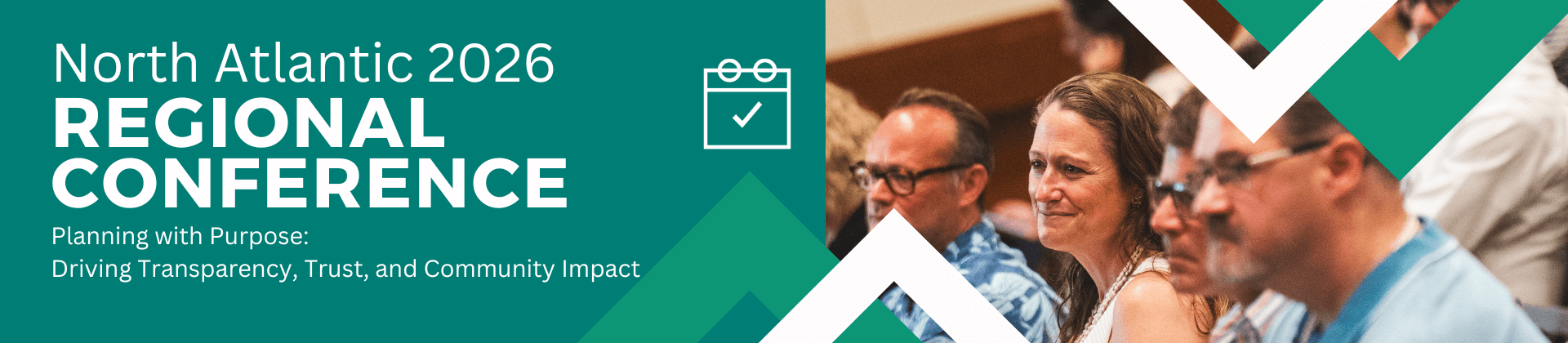
Regional Conference
North Atlantic 2026 Regional Conference
March 8–10, 2026Connecticut Convention Center, Hartford, CT- Event Home
- Program
- Registration
- Scholarship
- Hotel & Travel
- Call For Proposals
- Speaking Resources
- List of Registrants (Login Required)
Updates:
- Session slides and handouts are available to conference registrants on the conference app (not on the Program webpage, as mentioned in an earlier email).
Planning with Purpose: Driving Transparency, Trust, and Community Impact
Higher education is navigating declining enrollments, shrinking funding, and rising public mistrust. In this environment, integrated planning isn’t optional—it’s essential. The SCUP North Atlantic Regional Conference will bring together higher education leaders and planners to share how integrated planning is helping institutions confront today’s challenges and prepare for an uncertain future.
The true value of this conference is the community—a diverse network of professionals sharing perspectives, experiences, and expertise. Together, participants will explore how integrated planning fosters collaboration across departments and sectors, drives data-informed decision-making, and strengthens institutional resilience.
Hartford, Connecticut, offers a dynamic setting for these conversations. Local institutions are demonstrating how campus growth and community revitalization can align to advance both student success and regional prosperity.
Be part of the experience—join your peers in Hartford to learn, share, and shape the future of higher education together.
Featured Speakers
 CEOEdconic
 Director, Corporate & Foundation RelationsSouthern Connecticut State University
 Chief ArchitectState of Connecticut, DAS | Real Estate & Construction Services
 PrincipalShepley Bulfinch
 Director of Capital Projects and OperationsCity of Hartford, CT
 PresidentNew England Commission of Higher Education (NECHE)
 Division Director of Academic AffairsConnecticut Office of Higher Education (OHE)
Sponsorship Opportunities
Gain visibility and be part of this event! Learn about event sponsorship.
Contact KenDra McIntosh for more information or complete the sponsorship order form.
kendra.mcintosh@scup.org | 734.669.3283North Atlantic Regional Conference Event Sponsors




North Atlantic Regional Sponsors
Partner Sponsor





Platinum






Gold Sponsor












Silver Sponsor















Bronze Sponsor



Program
Updates:
- Registration is now closed; onsite registration not available.
- The Sunday Downtown Hartford walking tour is sold out!
- Concurrent session rooms will be listed in the SCUP Events app (search SCUP in your app store if you have not downloaded the app before.)
- Conference sessions will be held at the Connecticut Convention Center, Floor 6.
SHOW: All Sessions Workshops Tours Planning Institute WorkshopsSunday, March 8, 20262:00 pm–4:00 pmSOLD OUT: Downtown Hartford Walking Tour: History, Architecture, and CultureDowntown Hartford Walking Tour: History, Architecture, and Culture
Presented by:
This guided walking tour will provide an immersive journey through the city’s past and present, highlighting Hartford’s rich array of historical, cultural and architectural landmarks. The tour will explore historic sites such Hartford’s Federalist era Old State House, Olmsted-designed Bushnell Park, the oldest publicly funded park in the U.S., and the 17th century Ancient Burying Ground; as well as contemporary landmarks like Cesar Pelli’s Connecticut Science Center and SOM’s City Place, a late-20th century corporate icon. Along the way, encounter the Wadsworth Atheneum with its iconic Calder sculpture, walk down historic Pratt Street, and see UConn’s recently developed Hartford campus. The tour will be led by knowledgeable locals, and begin and end at the conference location, the Connecticut Convention Center.
Learning Outcomes:
- Identify key historical and cultural landmarks in downtown Hartford and explain their significance in shaping the city’s identity.
- Communicate the value of a range of architectural styles—from Federalist-era structures to Modernist designs in creating a rich urban or campus environment.
- Advocate for the role of public spaces, as exemplified by Hartford’s Bushnell Park and Pratt Street, in enhancing civic and campus environments.
- Apply insights from Hartford’s development story to planning and community engagement within campus and institutional contexts.
AIA LU 2.0 Unit (SCUPN26CT001)
AICP CM 2.0 UnitPlanning Types: Campus Planning
Tags: Landscape / Open Space; Urban Campus; Urban Design2:30 pm–6:00 pmRegistration4:45 pm–6:00 pmKeynoteBringing Their Voices Forward: The Student Perspective
Presented by: Student Panel
Moderated by: Sean Seepersad, Division Director of Academic Affairs, Connecticut Office of Higher Education (OHE)
As colleges and universities navigate shifting demographics, rising digital expectations, and rapid changes in learning environments, one core perspective grounds every planning decision: the students themselves. This keynote brings their voices forward. In a dynamic panel facilitated by a seasoned higher education administrator, students from diverse academic paths will discuss how integrated planning directly influences their educational experience—whether they realize it or not.
Through guided conversation, the panel will explore how students actually use campus spaces, how much of their learning and community-building now occurs online, and how they perceive the balance between physical and digital environments. They will discuss what “community” means in a hybrid world, how space planning affects their sense of belonging and academic success, and what they believe universities must prioritize as they plan for the future.
This keynote invites planners, administrators, faculty, and staff to hear firsthand how strategic decisions translate into lived experiences. You will gain fresh insight into how integrated planning can better support learning, wellness, connection, and adaptability in an increasingly digital era—directly informed by the students living through it.
Learning Outcomes:
- Explain how a student’s experience using campus spaces and digital environments are reflective of integrated planning decisions.
- Identify student-driven priorities and learn how to embed them into campus planning efforts, including space design, learning needs, and community-building expectations.
- Describe how planning choices can impact a student’s sense of belonging and overall academic success across physical, virtual, or hybrid environments.
- Apply student feedback to refine or adapt current planning processes, ensuring that decisions, workflows, and stakeholder collaborations more effectively reflect student need.
AIA LU 1.0 Unit (SCUPN26PL001)
AICP CM 1.0 Unit6:00 pm–7:15 pmReceptionMonday, March 9, 20267:30 am–3:30 pmRegistration7:30 am–9:00 amBreakfastThank you to our sponsor!
 8:20 am–9:20 amConcurrent Sessions
How Stakeholder Engagement and Data Analysis Guided a Building Transformation
Presented by: Liam Lowry, Principal, Flad Architects | John Robitaille, Senior Planner for Facilities Capital Delivery, Yale University | Joseph Schlosser, Associate Director, Planning – YSM/WC, Yale University | Doug Winning, Science Planner, Flad Architects
We will share how we conducted a comprehensive study to reposition an office building as Yale University’s new biomedical research hub. To maximize wet lab research in the outdated office building, we performed a robust analysis of existing building conditions and diverse stakeholder needs, encompassing existing conditions, capacity, program needs, and operational efficiency. From this analysis, we developed a research environment framework that is flexible, repeatable, and maximizes return-on-investment while meeting Yale’s sustainability and design goals. Learn how to use data-driven, cross-functional planning to evaluate potential building transformation options in alignment with institutional goals and priorities.
Learning Outcomes:
- Identify the quality and potential capacity of current systems and space through investigation and data analysis.
- Apply benchmarking metrics to create a research environment framework that supports evolving science and technology.
- Actively engage stakeholders to gain consensus and buy-in of the overall vision.
- Prioritize investment in infrastructure and functional improvements to yield the highest return.
AIA LU 1.0 Unit (SCUPN26CN3963)
AICP CM 1.0 UnitPlanning Types: Campus Planning
Challenges: Engaging Stakeholders
Tags: Adaptive Reuse; Laboratory Facility; Medical / Allied Health Facility; RenovationIntegrated Physical Planning for Mind and Body at Wellesley College
Presented by: Alvin Hung, Assistant Director of Planning and Design, Wellesley College | Michelle Maheu, Associate Vice President, Planning, Design & Construction, Boston University | David Whitehill, Principal, Shepley Bulfinch
Wellesley College’s recent planning and campus renewal efforts demonstrate how integrated planning can drive meaningful transformation in both academic and wellness spaces. This session explores two projects: the renovation of the Margaret Clapp Library and the new Vivian A. Kao ’04 Health and Counseling Center. These projects were shaped to fit into campus-wide sustainability, accessibility, student support, and wellness strategies. We will share how goals across fiscal, learning, wellness, and sustainability domains were brought together to achieve a holistic design with broad institutional alignment. You will gain practical tools for fostering transparency, navigating competing needs, and developing projects that reflect evolving campus values.
Learning Outcomes:
- Develop flexible planning frameworks to guide and inform future projects, ensuring those projects support institution-wide sustainability and student success goals.
- Describe spatial program and design decisions that support institutional goals for student well-being and learning.
- Generate optimized and technically complex facility upgrade plans that coordinate and balance contending goals for decarbonization, student well-being and academic success, and deferred maintenance.
- Lead inclusive planning processes that build trust across campus constituencies and apply engagement strategies to align design decisions with stakeholder needs.
AIA LU/HSW 1.0 Unit (SCUPN26CN4049)
AICP CM 1.0 UnitPlanning Types: Campus Planning
Tags: Health and Wellness; Library; Medical / Allied Health Facility; RenovationOne Voyage, One Map: Sailing Toward Unified Planning and Accreditation
Presented by: Nasrin Fatima, Associate Provost for Assessment and Analytics, Binghamton University
In a stormy era of shrinking enrollments, tight budgets, and public scrutiny, institutions need both a shared map and a steady compass to reach resilience and excellence. Set sail on a voyage where accreditation and strategic planning become one mission-driven journey. By aligning institutional goals with accreditation standards, this approach trims redundancy, strengthens coherence, and embeds lasting improvement. Through case studies and interactive discussion, you will gain a navigational toolkit—practical frameworks, adaptable templates, and dynamic mapping resources—that streamlines evidence collection, dismantles silos, and guides institutions toward sustained improvement with clarity, efficiency, and agility.
Learning Outcomes:
- Plot a route that embeds accreditation standards into strategic planning and resource decisions.
- Steer cross-functional crews—academics, facilities, finance, community partners—through one coordinated planning voyage.
- Deploy automation and dashboards as navigational instruments to simplify documentation and evidence gathering.
- Anchor continuous improvement by creating an institutional map that sustains alignment through changing tides.
Planning Types: Strategic Planning
Challenges: Accreditation Pressures
Tags: Accreditation; Alignment; Institutional EffectivenessTwo Campuses, One Vision: Uniting Northern Essex Community College
Presented by: Michael McCarthy, Executive Vice President – Chief Financial and Operating Officer, Northern Essex Community College | Sarah Tarbet, Senior Associate, Jones Architecture
As institutions grapple with resource challenges, grand plans are costly and rarely realized. Instead, modest solutions that leverage existing facilities are more likely to succeed. Confronted with limited resources and divergent paths for two campuses, Northern Essex Community College needed modest yet thoughtful solutions to address challenges related to campus identity, classroom utilization, fragmented student services, space mismatches, and wayfinding. This session will share a master planning process that focused on adjustments to existing buildings and campus fabric, providing the institution with ways to unite the campus, streamline access, prioritize equity, and elevate the student experience.
Learning Outcomes:
- Frame each campus project as an opportunity to inch your campus closer to an environment that supports a broad range of lived experiences.
- Cultivate connections that serve students before, during, and after their collegiate career.
- Leverage small decisions toward reaching big picture goals and unlocking future opportunities.
- Untangle existing organizational models to create intentional planning, branding, and wayfinding strategies that elevate the student experience.
AIA LU 1.0 Unit (SCUPN26CN4010)
AICP CM 1.0 UnitPlanning Types: Campus Planning
Tags: Campus Master Planning; Community College9:40 am–10:40 amConcurrent SessionsA Partnership for True Sustainability: Student Housing at USM
Presented by: Glenn Cummings, Green Schools, Director, State of Maine | John Martin, Principal, Elkus Manfredi Architects | Walker May, Executive Vice President, Capstone Development Partners | Nick Vaughn, Senior Principal | Director of Education Practice, SMRT Architecture Engineering Planning
In this session, we will share planning challenges and opportunities related to delivering cost effective student housing and a welcoming, public facing student center for all. Using a public-private partnership (P3) delivery model, the University of Southern Maine (USM) developed these projects with a goal of benefiting its community, students, and the surrounding environment. You will learn how innovative partnerships can create low-cost student housing that can then be leveraged to offer a wide range of services to the campus as a whole, not just the residents in the building.
Learning Outcomes:
- Use public-private partnerships (P3) to leverage future student housing revenues toward fostering a synergistic program for student success and well-being.
- Enhance social equity by creating spaces that support more academic and personal support services for students, increasing access to housing and providing more welcoming social spaces.
- Use new building initiatives to improve campus open spaces and connectivity, creating access and opportunity for the local community.
- Outline specific sustainable design practices for student housing that lower energy consumption, embodied carbon, and lifecycle costs.
AIA LU/HSW 1.0 Unit (SCUPN26CN4073)
AICP CM 1.0 UnitPlanning Types: Campus Planning
Tags: Public-Private Partnerships (P3); Student Center / Union; Student HousingIntegrating Academic, Institutional, & Physical Planning: Finding Common Ground
Presented by: Becky Copper, Dean, School of Graduate, Online and Continuing Education, Fitchburg State University | Nasrin Fatima, Associate Provost for Assessment and Analytics, Binghamton University | Michael Nieminen, Architect & Planner,
Integrated planning aligns priorities and drives results. Yet institutional, academic, and physical planners often work in silos, resulting in frustration and miscommunication. Balancing the needs of these three groups requires comprehensive and inclusive solutions. This session offers strategies to foster collaboration and promote shared dialog between these functions. Through multiple examples, we will explore innovative, inclusive strategies that respond to all stakeholder voices. You will leave the session with actionable advice for adopting integrated planning, leading to broader stakeholder engagement and more successful project outcomes.
Learning Outcomes:
- Develop an innovative strategy for using an integrated planning approach on a range of projects, bringing institutional, academic, and physical planners together at the same table.
- Leverage data-based research and analysis to better inform tailored outcomes that lead to greater student success, wellness, academic advancement, and institutional recruitment.
- Craft a detailed planning and programming process that researches all stakeholders from an institutional, academic, and physical planning perspective and strives to develop a common vocabulary.
- Make the integrated planning journey a shared experience upfront to maximize the mutual benefits and satisfaction that truly collaborative processes can yield for institutional, academic, and physical planners.
AIA LU 1.0 Unit (SCUPN26CN4104)
AICP CM 1.0 UnitPlanning Types: Academic Planning; Campus Planning
Challenges: Engaging Stakeholders
Tags: Alignment; Analyzing Stakeholders; Planning ProcessesIntegrating Physical Planning & Operations for the Future of Yale’s Collections
Presented by: James Fullton, Senior Architect/Planner, Yale University | Nathaniel Rogers, Partner, Beyer Blinder Belle Architects & Planners LLP | Elizabeth Williams, Senior Director for Collections & Scholarly Communication, Yale University
Integrating physical planning with operational and policy initiatives extends the impact of capital projects. When Yale University decided to renovate its Collection Studies Center (CSC), it recognized the opportunity to move independently operated museum and library units toward a more collaborative and efficient future of shared spaces, resources, and operations. This session will share the process for Yale’s CSC Vision Plan, which engaged stakeholders in an integrated process that analyzed current and future needs and provided a roadmap for rational growth and operational efficiencies. We’ll discuss project governance and decision-making, stakeholder engagement, physical planning, and operational implications.
Learning Outcomes:
- Structure and guide a multi-stakeholder programming and planning process.
- Establish guiding principles to focus decision-making during a planning process.
- Tailor modes of planning engagement to match a diverse range of stakeholder groups.
- Evaluate the operational impacts of physical planning decisions and vice versa.
AIA LU 1.0 Unit (SCUPN26CN4017)
AICP CM 1.0 UnitPlanning Types: Campus Planning
Tags: Library; Museum Facility; Operational Planning; RenovationPlanning for Impact: A Framework for Inter-Professional Space Planning
Presented by: Debra Burnett, Interim Dean, Springfield College | Karen Parzych, Architect, Principal, The S/L/A/M Collaborative | Mark Rhoades, Architect, Senior Designer, Associate of the Firm, The S/L/A/M Collaborative
This session explores the integrated planning process behind Springfield College’s new Brown Cooper Health Sciences Center, an inter-professional facility serving five academic disciplines. We will share how inclusive stakeholder engagement, space utilization analysis, and projected program growth informed the programming and design of a facility that not only supports discipline-specific and collaborative learning environments but also reshapes the campus edge and strengthens ties to the surrounding community. You will gain practical strategies for space planning, course mapping, and designing flexible environments that support long-term academic and institutional goals.
Learning Outcomes:
- Conduct a data-driven space utilization analysis for an established program using a course mapping exercise.
- Establish stakeholder groups centered around ‘space themes’ and ‘affinities’ rather than by discipline to contribute to new synergies and a more efficient building.
- Maximize value by considering your facility as part of a campus network, and consider how existing space on campus can supplement your new facility and what lessons can be learned from your existing space.
- Generate a planning parti (or design concept) that supports a diverse range of space types and scales while maintaining straightforward wayfinding and constructability.
AIA LU 1.0 Unit (SCUPN26CN4020)
AICP CM 1.0 UnitPlanning Types: Campus Planning
Tags: Medical / Allied Health Facility; Space Management11:00 am–12:00 pmConcurrent SessionsBridging Tradition and Innovation: Integrated Planning for Historic Preservation
Presented by: Kathleen Farewell, Principal, Zubatkin Owner Representation, LLC | James Kellerhouse, Assistant Vice Chancellor for Strategic Initiatives, Vanderbilt University | Carmen Menocal, Partner, Beyer Blinder Belle Architects & Planners LLP | R. J. Panda, Vice President, Project Management, Cumming Group | Anne Stewart, Executive Vice President, Princeton Theological Seminary
Higher education campuses must evolve while honoring their heritage. This session examines integrated planning approaches at Princeton Theological Seminary and Vanderbilt University’s New York City campus, two distinct institutions navigating similar challenges: historic preservation, operational continuity, and shifting programmatic needs. Through real-world examples, the panel will share strategies for aligning mission and facilities, managing construction on active campuses, and fostering trust among stakeholders and communities. You will learn how to apply radical flexibility, financial modeling, and transparent engagement during your planning process in order to create multipurpose spaces, mitigate risk, and demonstrate institutional momentum.
Learning Outcomes:
- Identify strategies for balancing historic preservation with modern programmatic needs.
- Apply integrated planning principles to manage decision-making and construction within operational campuses.
- Develop stakeholder engagement frameworks that foster transparency and trust.
- Design financial planning models that align capital and operating costs with institutional priorities and community impact.
AIA LU 1.0 Unit (SCUPN26CN4096)
AICP CM 1.0 UnitPlanning Types: Campus Planning
Tags: Historic Preservation; Project Management / DeliveryData into Action: Student-Centered Planning at Rhode Island College
Presented by: Basak Alkan, Campus Planning Principal, HDR, Inc. | Lauren Gauthier, Education and Science Principal, HDR, Inc. | Cindy Kozil, Vice President Student Success, Rhode Island College
Declining enrollments and funding make it challenging to address the myriad needs of today’s students related to campus grounds and facilities. A data-driven approach using space, occupancy, and survey data helps eliminate guesswork for investments. Learn how Rhode Island College, an institution focused on social mobility, used its data-driven master plan to define high-impact investments for its students. We’ll share how we used multiple data sources—including AI-driven occupancy analytics, map-based surveys, space use studies, and a multi-campus student wellness research study—to align investment plans with student needs.
Learning Outcomes:
- Define the physical, mental, social, and holistic support needs of today’s students and how the design of campus environments can impact these needs.
- Identify small-cost, easily implementable design and space interventions that can have an outsized impact on student well-being.
- Use a data-driven, inclusive master planning process to develop a framework that ensures future space and design changes improve student success and well-being.
- Describe an integrated planning approach that incorporates data from research, analyses, and surveys to inform strategic investments in the built environment.
AIA LU/HSW 1.0 Unit (SCUPN26CN3966)
AICP CM 1.0 UnitPlanning Types: Campus Planning
Tags: Campus Master PlanningData-driven Planning for a New Campus Neighborhood: Four Perspectives
Presented by: Kimberly Barnett, Principal, LDa Architecture & Interiors LLP | Carla Ceruzzi, Associate Principal | Architect, Sasaki | Heidi Sokol, Senior Campus Planner, Tufts University | Angelic Sosa, Associate Director for Off Campus Engagement, Tufts University
Incremental moves have a major impact when guided by a clear, long-term vision. Using a 10-year case study of Tufts University’s residential life master plan, this session discusses how a cluster of small existing buildings was transformed into a cohesive residential neighborhood at the campus edge. We’ll share the project story from planning, design, and end-user perspectives, illustrating how land use, circulation, building condition, accessibility, landscape, architecture, and campus life intersect in a successful outcome. Join us to learn how data-driven planning shaped a new campus neighborhood, and hear lessons we learned along the way.
Learning Outcomes:
- Make the case for data-informed, holistic planning—not only for large-scale projects but also for more incremental strategies—to ensure that every project is in support of institutional goals.
- Identify ways to build upon existing resources by organizing them under one vision that covers multiple scenarios to create a campus-specific, economical, and flexible framework for implementation.
- Identify critical considerations for the reuse of existing buildings: metrics, cost and code triggers, and design choices that make the project feel like a cohesive part of the institution.
- Use hands-on experience and lessons learned from your project’s users to inform the implementation of housing plans focused on community-building, whether through adaptive reuse or new construction.
AIA LU 1.0 Unit (SCUPN26CN4031)
AICP CM 1.0 UnitPlanning Types: Campus Planning
Tags: Adaptive Reuse; Master Plan; Student HousingRevitalizing More with Less to Meet Critical Campus Needs
Presented by: Ben Carlson, Principal, Goody Clancy | Lisa Ferreira, Principal, Student Life Practice Leader, Goody Clancy | Barbara Masaitis, Director of Capital Planning, Bridgewater State University | Monica Meyerhoff, Vice President | Principal, Rickes Associates, Inc
Big projects (like new and fully-renovated buildings) can take 5 to 10 years to fund, design, and build. Revitalization of existing campus assets can provide a time- and cost-efficient response to mission-critical needs. Bridgewater State University has delivered a series of timely, meaningful building renovations through modest-scale, high-impact projects responsive to student input. In this session, we will share strategies to conceive and execute impactful campus improvements. You’ll learn practical approaches and tips for data analysis, stakeholder engagement, conceptual project planning and design, project funding, and construction management.
Learning Outcomes:
- Right-size building renovations and additions to deliver impact while efficiently using space, time, and money.
- Analyze facilities utilization to find opportunities to rethink and repurpose underused assets.
- Collaborate with municipalities to fund and build streetscape and pedestrian safety improvements, providing shared benefit to the institution and the surrounding community.
- Manage campus construction to minimize disruption and maximize benefit.
AIA LU 1.0 Unit (SCUPN26CN4056)
AICP CM 1.0 UnitPlanning Types: Campus Planning
Tags: Facilities Planning; Renovation; Revitalization12:00 pm–1:00 pmLunchThank you to our sponsor!
 1:00 pm–2:10 pmKeynote
How Does Higher Ed Respond to a Career Opportunity Crash for Young Adults?
Presented by: Brandon Busteed, CEO, Edconic
All signs point to a grim picture for the career opportunities of young adults. With a collapse in the youth labor market, massive gaps between demand and supply for internships, and major disruptions to the entry-level white collar job market, it is getting harder for young adults to launch a career. If the first rungs of the career ladder disappear, it will have an immediate negative impact on an entire generation of young people, but what will soon follow is a talent development pipeline disaster for all employers and our economy. How can higher ed play a role amidst these broader labor market disruptions?
Learning Outcomes:
- Describe the forces that are narrowing the number of valuable work experiences for young adults.
- Outline the potential impacts that could occur if early-career experiences are not available for young adults.
- Explain why internships and work-integrated learning are crucial to student success after college.
- Identify strategies that higher education institutions can take to ensure students have the best leg up in an otherwise dismal job market.
2:30 pm–3:30 pmConcurrent SessionsA Five-Step Roadmap to Implement Beneficial Electrification Campus-wide
Presented by: Lura Wade, Principal, SMRT Architecture Engineering Planning | Blaine Williams, Facilities Engineer, University of Maine
The shift to beneficial electrification is an integrated planning challenge that connects facilities, finance, and strategy. This session provides a clear, five-step electrification roadmap for campus-wide implementation. We will share how a future-focused vision, starting with a full utility infrastructure review to ensure capacity for 5-, 10-, and 20-year electric loads, drives financial resilience. Using a University of Maine case study, you will learn how to phase electrification to align with capital cycles, avoid the project-level trap (thus preventing stranded infrastructure), and secure leadership buy-in with a total cost of ownership analysis that includes avoided fossil fuel purchases and regulatory alignment.
Learning Outcomes:
- Develop a phased electrification roadmap that strategically aligns with future electrical capacity needs and capital cycles to minimize long-term cost.
- Apply a comprehensive total cost of ownership analysis to capital requests, integrating factors like energy price stability and student recruitment value to secure leadership investment.
- Identify and advocate for the correct utility infrastructure standards, preventing short-term cost savings from creating costly stranded infrastructure.
- Describe three key electrification technologies (heat pumps, variable refrigerant flow heating and cooling systems, and digital controls) and their operational co-benefits, such as improved indoor air quality and simplified maintenance.
AIA LU 1.0 Unit (SCUPN26CN4042)
AICP CM 1.0 UnitPlanning Types: Campus Planning
Challenges: Dealing with Climate Change
Tags: Energy Efficiency and Conservation; Energy InfrastructureCapital Project Budgeting Through Data-Driven Insights and Cost Modeling
Presented by: Dan Doherty, Senior Director of Estimating, Shawmut Design and Construction | Rachel Hampton, Senior Campus Planner, Brown University | Scott Kopraski, Preconstruction Executive, Shawmut Design and Construction | Ryan Lynch, Vice President, Shawmut Design and Construction
With growing project sizes and increasing complexity, setting realistic capital project budgets can be a challenge. Accurate budgeting through historical cost modeling is fundamental to delivering value-driven capital projects during complex times. Cost modeling empowers teams to set budgets that reflect true project needs and drive value. Drawing from across decades of complete, complex projects, we will present proven methods for setting realistic project budgets using cost models driven by historic data and benchmarking methodology (using Join and other technologies).
Learning Outcomes:
- Implement new and proven methods for making effective and efficient decisions during planning, design, and construction.
- Visualize your projects’ work through the Join technology platform’s examples and case studies provided throughout all project phases.
- Question your project teams’ approaches for various cost modeling methodologies with confidence.
- Identify and advocate for opportunities to effectively apply data for capital project decision-making across a broad spectrum of critical scenarios.
AIA LU 1.0 Unit (SCUPN26CN4084)
AICP CM 1.0 UnitPlanning Types: Campus Planning
Tags: Capital Planning; Project Management / DeliveryEnsuring Equity Amid Economic Uncertainty: Creating an Accessible Housing Plan
Presented by: J George, Associate, KMA, LLC | Alvin Hung, Assistant Director of Planning and Design, Wellesley College | Josh Safdie, Principal, KMA, LLC
Aging student housing presents barriers to students with disabilities on campuses throughout the Northeast. Yet accessibility is not only a non-negotiable obligation on local and federal levels, it’s a key component of an inclusive, equitable campus. Drawing on examples from Wellesley College’s 2019 10-year plan, this session will review the key frameworks, processes, and stakeholder input required to produce an equitable, cost-effective campus-wide accessible housing plan. With this knowledge, you will return to campus with practical, actionable strategies for addressing accessibility in existing student housing.
Learning Outcomes:
- Apply relevant accessibility codes and requirements from the Americans with Disabilities Act (ADA) and the International Existing Building Code (IEBC) when primary function areas within housing facilities are altered during renovations.
- Convene a working group with key stakeholders to put together an accessible housing plan for your institution, creating a collaborative link between multiple departments to improve the overall student housing experience.
- Plan for required accessibility improvements in student housing in a way that prioritizes equity without sacrificing fiscal responsibility.
- Approach accessibility as a factor in campus planning to be taken proactively rather than reactively.
AIA LU/HSW 1.0 Unit (SCUPN26CN4001)
AICP CM 1.0 UnitPlanning Types: Campus Planning
Challenges: Resolving Inequities
Tags: Accessibility; Master Plan; Student HousingThe Campus Next Door: Clinton Community College’s Relocation to SUNY Plattsburgh
Presented by: Michelle Grant, Capital Program Manager, State University Construction Fund | Ken Knelly, Acting President, Clinton Community College | Persis Rickes, President and Principal, Rickes Associates, Inc
As colleges face budget constraints and aging infrastructure, strategic co-location offers a sustainable path forward. This session describes how the relocation of Clinton Community College onto the State University of New York at Plattsburgh (SUNY Plattsburgh) campus was structured in order to maximize resources while preserving institutional identity and academic integrity. Through a collaborative and data-driven space planning study, guiding principles were formulated, space needs were quantified, and a time-sensitive implementation plan created. You will gain practical strategies for balancing competing priorities, addressing resistance to change, resolving stakeholder disagreements, and building consensus through transparent communication and collaborative problem solving.
Learning Outcomes:
- Preserve institutional autonomy within a shared campus environment with strategies for maintaining distinct governance, academic identity, and operations while co-locating with another institution.
- Apply proven space planning methodologies to assess instructional and administrative space needs.
- Manage multi-phase renovation projects with minimal disruptions.
- Implement a shared service model that respects independent operations.
AIA LU 1.0 Unit (SCUPN26CN3976)
AICP CM 1.0 UnitPlanning Types: Campus Planning
Tags: Community College; Shared Facilities; Space Management3:45 pm–6:00 pmConference Tour: Blurring the Edges: A Walking Tour of UConn’s Downtown Hartford CampusConference tours are included in your conference registration. Space is limited. Sign up at the registration desk when picking up your badge.
This walking tour of University of Connecticut’s (UConn) Hartford Campus highlights how the university’s new campus is intentionally woven into the fabric of downtown Hartford. Centered on the restored and repurposed historic Hartford Times Building, this campus creates an urban academic environment shaped by modern and historic architecture, adaptive reuse, and community-centered design. Campus visitors move through open, accessible spaces, such as the Zachs Atrium, Burr Mall, Constitution Plaza, UConn’s Graduate Business Learning Center, and the revitalized Pratt Street corridor, seeing how the campus’s loose edges blend seamlessly into the city. A signature stop is the uniquely integrated Hartford Public Library, which houses UConn’s Harleigh B. Trecker Library, forming a shared academic/civic hub with study areas, classrooms, research support, and public programs. This model dissolves the traditional boundaries between campus and community, demonstrating the power of educational infrastructure designed for shared civic benefit. You will learn architectural and historical context while discovering how UConn Hartford’s urban setting supports professional programs, career readiness, and deep engagement with the surrounding business and cultural districts.
Learning Outcomes:
- Analyze how UConn Hartford’s campus design integrates with downtown Hartford to create a connected academic/civic environment.
- Compare the adaptive reuse and modern architectural strategies that shape the campus’s urban identity and functionality.
- Evaluate how shared public spaces (like the integrated Hartford Public Library partnership) enhance student experience, community engagement, and institutional planning.
- Apply lessons from the Hartford campus model to planning, space utilization, and community partnership strategies at your institution.
AIA LU 2.25 Unit (SCUPN26CT002)
AICP CM 2.25 Unit3:45 pm–6:00 pmConference Tour: The Hursey Center at University of HartfordConference tours are included in your conference registration. Space is limited. Sign up at the registration desk when picking up your badge.
As the newest addition to the University of Hartford’s beautifully landscaped campus, Francis X. and Nancy Hursey Center for Advanced Engineering and Health Professions is a showcase building for the university. Opened in 2021, it houses state-of-the-art labs and classrooms for engineering and health professions. It pairs cutting-edge engineering facilities, such as a makerspace, a high-bay lab, and a robotics lab, with technology-rich learning environments for the health sciences, such as a nursing simulation suite with lifelike mannequins to provide hands-on training for students in high-demand fields. The Hursey Center is organized around a multi-story, sky-lit central space linking upper- and lower-level campus entrances—The “Street”—that was conceived of as an interior extension of the campus’s main pedestrian pathway. Within the Street, a rich network of lobbies, bridges, overlooks, and floor openings offers unobstructed views into the instructional, research, and meeting spaces on either side. Come tour this building and learn more about the evolution of this innovative structure.
Learning Outcomes:
- Describe how a robust stakeholder engagement process drove the design of an advanced engineering and health professions center.
- Explore how sustainability features were integrated into the planning process of the building and its site.
- Investigate how interdisciplinary programming that emphasizes project-based learning and displays student projects can enrich the student experience in engineering and the health professions.
- Explain how thoughtful site planning strengthens the impact of this building on the overall campus plan.
AIA LU 2.0 Unit (SCUPN26CT004)
AICP CM 2.0 Unit4:00 pm–6:00 pmConference Tour: Trinity College Campus TourConference tours are included in your conference registration. Space is limited. Sign up at the registration desk when picking up your badge.
Join us for an engaging tour of Trinity College’s Hartford Campus. The experience begins in the recently renovated historic Chapel, where Trinity College representatives will introduce the campus. From there, you will experience the campus’s iconic Long Walk buildings and tour the newly constructed Scully Center, a state-of-the art hub for fitness, recreation, and wellness activities. Throughout the tour, we will examine how Trinity addresses historic preservation, building renewal, and sustainable design in their campus environment as they seek to enhance the student experience and promote wellness.
- Analyze how an institution’s planning can inform facility priorities and campus development.
- Evaluate approaches to restoring historic facilities while delivering architectural integrity and modern functionality.
- Describe how to embed sustainable design in campus planning and new construction projects.
- Leverage planning and facility design initiatives to enhance the student experience and promote wellness.
AIA LU 1.75 Unit (SCUPN26CT003)
AICP CM 1.75 UnitTuesday, March 10, 20267:30 am–12:00 pmRegistration8:00 am–9:00 amBreakfast8:30 am–9:40 amClosing KeynotePlanning with Purpose: Building Trust and Resiliency in Higher Education
Presented by: David Barkin, Chief Architect, Connecticut State Administrative Services | Julia Jack, City Architect, Hartford Director of Capital Projects and Operations | Courtney Hendricson, Director, Corporate & Foundation Relations, Southern Connecticut State University | Larry Schall, President, New England Commission of Higher Education
Moderated by: Janette Blackburn, FAIA, SCUP North Atlantic Regional Council
As higher education faces mounting challenges during increasingly uncertain times, integrated planning is essential. This panel brings together experts from academic, financial, and physical planning realms to engage with our SCUP audience. Together with the panelists, we will explore how communities and institutions are reaching across traditional boundaries to chart a path for institutional resiliency, community revitalization, and student success.
Learning Outcomes:
- Identify strategies for aligning academic, financial, and physical planning to support institutional resilience.
- Leverage innovative partnerships to achieve shared successful outcomes.
- Apply data-informed planning to shape strategic, spatial, and operational initiatives.
- Employ organizational models for effective, integrated planning that builds trust across boundaries.
AIA LU 1.0 Unit (SCUPN26PL003)
AICP CM 1.0 Unit10:00 am–11:00 amConcurrent SessionsCurriculum, Campus, Community: Enhancing Institutional Identity and Resilience
Presented by: Todd Andrews, Principal, Centerbrook Architects and Planners | Joanne Kossuth, Chief Operating Officer, Lesley University | Sue Wyeth, Senior Director, Centerbrook Architects and Planners
Lesley University was an institution in transition, seeking to boost enrollment, realign academic programs, enhance its identity, and divest properties to allow it to focus resources on providing compelling student amenities. This session explores the process Lesley used to reduce its campus footprint, with particular focus on the strategies and methodologies that coalesced internal and external stakeholders around transformational change. We’ll describe the outcomes that boosted revenue, restored and revitalized historic buildings, enhanced operational and programmatic efficiencies, and created shared public spaces that enhanced neighborhood connections while offering students compelling new places to live, learn, and play.
Learning Outcomes:
- Facilitate multi-stakeholder planning discussions that promote transparency and build trust.
- Develop strategic questions and tools to evaluate institutional identity, differentiators, and strengths during periods of change.
- Conduct asset-based reviews of curriculum and campus infrastructure to align programming and facilities with future needs.
- Design resource reallocation strategies that convert underutilized or non-core assets (e.g., property) into funding for mission-aligned projects.
AIA LU 1.0 Unit (SCUPN26CN4095)
AICP CM 1.0 UnitPlanning Types: Campus Planning
Tags: Campus Master Planning; Capital PlanningFacilities Renewal, Decarbonization, and Resilience Via Integrated Planning
Presented by: Minakshi Amundsen, Associate Vice President for Campus Planning and Operations, Williams College | Jason Forney, Principal, Bruner/Cott & Associates, Inc. | Tanja Srebotnjak, Executive Director, Zilkha Center for the Environment, Williams College | Jennifer Williams, Managing Principal, Perkins&Will
As they work to implement campus plans, institutions must balance priorities and optimize within constraints. We’ll share how Williams College integrated concurrent planning processes for campus decarbonization, housing, athletics and well-being, and dining renewal, coordinating the work to to respond to specific challenges (the need for facilities renewal, maintaining fiscal discipline, reducing carbon emissions, and working with a fixed electrical grid capacity) and opportunities (improving the student experience, implementing deep energy retrofits, and improving universal accessibility). You will learn how we used integrated planning practices to balance competing objectives, manage constraints, identify synergies, and shape the next ten years of the college’s capital plan.
Learning Outcomes:
- Identify strategies for coordinating cross-functional planning teams to address complex campus challenges in an integrated manner.
- Analyze methods for pursuing ambitious carbon reduction and campus renewal goals while balancing fiscal responsibility and infrastructure limitations.
- Evaluate approaches to integrating sustainability, accessibility, and student experience into long-term campus planning, capital, and operating investment decisions.
- Review an approach to carbon reduction that considers the campus as a single interconnected energy system where load reductions in one area could offset increases in others.
AIA LU/HSW 1.0 Unit (SCUPN26CN4007)
AICP CM 1.0 UnitPlanning Types: Campus Planning
Challenges: Competing Priorities
Tags: Accessibility; Campus Master Planning; Energy Efficiency and ConservationGund Hall: Deferred Maintenance to Transformational Design
Presented by: Kristi Dowd, Principal, Redgate | George Gard, Associate, Bruner/Cott & Associates, Inc. | Hue Nguyen, Associate Director of Facilities Management, Harvard University
Deferred maintenance projects are necessary but rarely inspire enthusiastic use of resources. What if they could drive mission and institutional pride? This session explores practical strategies for reframing critical maintenance as mission-aligned initiatives. At Harvard University, Gund Hall’s aging envelope became the catalyst for transformation. Using an integrated planning approach to connect strategy, facilities, and resources, the team aligned scope, budget, and campus priorities while building trust across committees, planning offices, sustainability teams, and historic commissions. The project balances historic preservation, technical performance, low-carbon design, accessibility, and budget, achieving immediate upgrades while establishing foundations for future changes.
Learning Outcomes:
- Reposition deferred maintenance projects in capital planning discussions as strategic investments that advance institutional mission and campus priorities.
- Assess core building systems (e.g., building envelope) for their potential to simultaneously deliver outcomes like cost savings, improved occupant comfort, carbon reduction, and campus-wide positive impact.
- Design stakeholder engagement processes that transparently connect technical building decisions to diverse stakeholder priorities and build cross-functional support.
- Quantify and communicate how operational savings from energy efficiency and avoided repairs can be redirected to fund future mission-aligned capital projects.
AIA LU 1.0 Unit (SCUPN26CN4102)
AICP CM 1.0 UnitPlanning Types: Campus Planning
Tags: Academic Facility; Deferred Maintenance; Historic Preservation11:20 am–12:20 pmConcurrent SessionsBuilding Bridges: Transforming Spaces for the Academic Library’s New Mission
Presented by: Jason Battles, Dean of Libraries, University of Arkansas at Little Rock | Sarita Sen, Architect, University of Delaware | Joseph Shelley, Vice President for Innovation and Information Services, Hamilton College | Frano Violich, Principal, Kennedy & Violich Architecture, Ltd
There has been a radical shift in the role libraries play on campus, from storehouses of knowledge to a marketplace for the free exchange of ideas. This session shares how an integrated planning approach helped three institutions transform their library spaces. We will explore the radically different approaches taken by each institution to recontextualize the library as a marketplace for the exchange of ideas, a public resource for new tools and technologies, and a bridge to create the potential for new and unlikely interdisciplinary alliances.
Learning Outcomes:
- Explore strategies and physical spaces that libraries can use to encourage interdepartmental connection.
- Promote an ‘all-in’ lens in the planning and decision-making process so that outcomes reflect the institution’s mission and the voices of diverse stakeholders while remaining strategic and actionable.
- Encourage faculty and technology administrators to adopt flexible, adaptable, and practicable ways to integrate new technologies and tools into the curriculum and shared public spaces.
- Discuss the substantial re-investment potential of mid-century buildings despite perceived limitations and drawbacks, such as limited floor-to-floor heights, lack of daylight, and outdated systems.
AIA LU 1.0 Unit (SCUPN26CN3958)
AICP CM 1.0 UnitPlanning Types: Campus Planning
Tags: Learning Environments; Library; RenovationFrom Postwar Legacy to Low-Carbon Future: Data-informed Renewal at Bowdoin
Presented by: Sharon Ames, Capital Projects Manager | Architect, Bowdoin College | Jason Der Ananian, P.E., Principal, Simpson Gumpertz & Heger Inc. | michelle miller, Project Manager, HGA
Existing aging buildings often present significant challenges when updating to align with current campus goals. This session highlights how careful planning, close collaboration across disciplines, and data-informed decision-making can lead to measurable, real-world results. Using Bowdoin College’s Sills Hall as a case study, we’ll provide actionable insight into how analytical tools and human-centered design goals can work together to create spaces that are accessible, daylit, healthy, and imbued with ‘intellectual gravitas.’ You will learn about tools, benchmarks, and insights that can empower you to make evidence-based decisions for highly sustainable renovation and adaptive reuse projects.
Learning Outcomes:
- Integrate best practices into campus sustainability guidelines, with a focus on approaches to existing buildings.
- Develop strategies for improving whole building airtightness through implementation of enclosure renovations.
- Address critical questions at very beginning of a renovation project to ensure the right tools and analyses will be done early in the project process when big picture decisions can best be informed by the data.
- Refine interior material guidelines to meet wellness and sustainability goals, regardless of specific project certifications pursued.
AIA LU/HSW 1.0 Unit (SCUPN26CN4107)
AICP CM 1.0 UnitPlanning Types: Campus Planning
Tags: Academic Facility; RenovationUsing Small Steps to Implement a Campus Master Plan
Presented by: Gregory Berndt, Associate Principal, Ellenzweig | Michael Lauber, Principal, Ellenzweig | Tina Perez, Senior Campus Planner, University of Massachusetts Boston | Dennis Swinford, Director of Campus Planning and Sustainability, University of Massachusetts Boston
The session describes how large-scale master planning goals can be achieved through a coordinated plan of incremental projects. As the University of Massachusetts Boston (UMass Boston) commenced detailed capital initiatives to support the goals of their campus master plan and their energy and carbon master plan, campus planners developed strategies that worked with available resources, coordinated the required phasing of project build-outs, and acknowledged the particular challenges of renovating buildings of the 1970s. Learn how UMass Boston is orchestrating numerous capital initiatives and coordinating a phasing plan across time and space in order to implement its master plan.
Learning Outcomes:
- Develop an incremental approach to implementing large-scale campus planning goals.
- Create a capital projects plan that works within available resources and acknowledges the required sequence of project build-outs.
- Develop strategies to analyze and address the particular challenges of renovating mid-century modern buildings.
- Maintain a nimble approach to project implementation, adjusting scope to incorporate user input and acknowledge actual conditions on the ground.
AIA LU 1.0 Unit (SCUPN26CN3992)
AICP CM 1.0 UnitPlanning Types: Campus Planning
Tags: Capital Planning; Master Plan; Project Management / Delivery; Renovation12:20 pm–1:00 pmTo Go LunchRegistration
How to Save
SCUP Group Membership Discount: If you work at a college or university that holds a SCUP group membership anyone from your institution can attend this event and any SCUP event at the member rate.
Cost Early-Bird Regular Member $445 $545 Non-Member $650 $750 If you need to make changes to your registration please contact registration@scup.org. Thank you!
Deadlines
Date Early-Bird Registration Monday, January 12, 2026 Cancellation* Friday, February 13, 2026 Registration Closes Friday, February 20, 2026 **Cancellations must be made in writing and may be submitted by email to your registration team registration@scup.org by 2/13/2026. Refunds are subject to a processing fee – 10% of the total purchase. No-shows are not eligible for a refund, and funds committed by purchase order must be paid in full by the first day of the event. Refunds will be issued within 30 days of received written notification.
Badge sharing, splitting, and reprints are strictly prohibited.
SCUP Photo Policy
Attendance at, or participation in, any workshop or conference organized by the Society for College and University Planning (SCUP) constitutes consent to the use and distribution by SCUP of the attendee’s image or voice for informational, publicity, promotional, and/or reporting purposes in print or electronic communications media. Video recording by participants and other attendees during any portion of the workshop or conference is not allowed without special prior written permission of SCUP. Photographs of copyrighted PowerPoint or other slides are for personal use only and are not to be reproduced or distributed. Photographs of any images that are labeled as confidential and/or proprietary is forbidden.
Scholarship
In this economic climate that is creating challenges for so many colleges and universities, the Society for College and University Planning recognizes that professional development and travel budgets are being reduced or cut at many institutions. We believe that during tough times it is more important than ever to invest in education and to reach out to colleagues to help find solutions. We offer a limited number of scholarships for our institutional attendees to help underwrite costs associated with participating in SCUP events.
Award
Complimentary Registration (up to 5 awarded, for institutional attendees only).Application Deadline
Friday, January 9, 2026
Notification of Selection
Scholarship applicants will be notified of award status by Thursday, January 15, 2026.*Please note, anyone who applies and does not receive the award, will be offered an extension on the Early Bird rate after the deadline.
Apply todayHotel Information
200 Columbus Blvd.
Hartford, CT 06103Room Reservations
Please click here to make your hotel reservation. Guests can also call the hotel, ask for reservations, and request the SCUP 2026 North Atlantic Regional Conference room block.
Room Rate
$249.00 USD
Currently, all room rates are subject to a 15% sales tax.Check In/Out
Check-in: 4:00 pm
Check-out: 11:00 amReservation Deadline
Friday, February 13, 2026
Travel Information
Airport
Bradley International Airport (BDL)
Approximately 15.5 miles from the Hartford Marriott DowntownDriving Directions
Parking
On-Site Parking
Hourly: $3.00
Daily: $23.00Valet
Daily: $36.00Electric Car Charging Station Available
Additional Parking Information
Parking fee is from check-in until 6pm on check-out day. Valet Parking located Behind the Hotel at the back entrance.Call for Proposals
The call for proposals closes October 15 at 11:59 Eastern Time.
Higher education is navigating declining enrollments, financial strain, and shifting public trust. In this environment, integrated planning is essential—and it works best when informed by the perspectives, experiences, and expertise of our community.
The SCUP North Atlantic Regional Conference invites you to share how integrated planning is being used to break down silos, foster resilience, and strengthen the future of higher education. Proposals should highlight strategies, tools, and real-world examples that demonstrate how collaboration and data-informed decision-making drive meaningful impact on campuses and in communities.
We welcome proposals on topics such as:
- Innovative Partnerships That Work – shared services, collaborations, and community engagement that reduce costs and expand access.
- Driving Institutional Change Through Data-Informed Planning – using evidence to implement transformation aligned with mission.
- Accreditation as a Framework for Change – leveraging accreditation for long-term institutional improvement.
- Organizational Models for Success – structures, governance, and cross-functional teams that embed integrated planning.
- Financial Resilience Through Integrated Planning – aligning resources to confront challenges and build sustainability.
- Bridging Gaps Between Departments and Communities – strategies to connect academic, physical, and institutional planning; expand enrollment pipelines; foster inclusion across age groups; and integrate tools like AI, internships, and CTE programs to strengthen higher education’s value.
Share your story. By contributing, you’ll help fellow planners learn from your successes, challenges, and insights—strengthening the collective practice of integrated planning.
Call for Proposal Details
As you think about putting your proposal together, we would like you to consider some important points:
Does your proposal include integrated planning practices?
Integrated planning is a sustainable approach to planning that builds relationships, aligns the organization, and emphasizes preparedness for change.
How can you tell if you’re doing integrated planning? Check out some of the hallmarks of integrated planning.Does your proposal bring together different perspectives and experiences?
By design, integrated planning is an inclusive practice that brings together perspectives and experiences from across an institution’s community to create solutions. This can only be accomplished when all voices are heard, recognized, and valued.
Consider these questions:- Whose perspective is missing?
- Whose voice is not being heard?
We strongly encourage you to make sure your presentation team includes different voices, and that these voices are given meaningful time to share their perspectives.
Who should submit?
Integrated planning brings together voices from every corner of campus:
Stakeholders: students, staff, faculty, administrators, alumni, external partners
Areas of practice: academic and strategic planning, student affairs, finance, campus planning, IT, communications, development, institutional effectivenessThe secret to a great proposal.
Great proposals focus on one of two things: solutions or foresight.
Solutions: help attendees solve a pressing problem.
Foresight: explore innovative new ideas, analyze trends, and prepare attendees for the future.Don’t forget to include:
Takeaways: give attendees next actions, tips, tools, processes, etc., that can be applied immediately
Engagement: engage attendees with your content and with each other in meaningful ways.Concurrent Session Quick Facts
- Sessions are 60-minute.
- Submissions must be made using SCUP’s online submission tool.
- Read other frequently asked questions.
Download the Call for Proposals Outline
QUESTIONS? Email speaker.information@scup.org.
The call for proposals closes October 15 at 11:59 Eastern Time.
- Topics
- Topics

- Integrated Planning
Integrated Planning
- Topics
Topics
- Resources
- Topics


